Stop 7 Mistakes Sabotaging Study At Home Productivity
— 7 min read
Answer: The fastest way for students to super-charge home study is to adopt a bite-size, timer-driven workflow - namely the Pomodoro technique - paired with a rigorously designed productivity system.
Most campuses trumpet "long-hour marathons" as the gold standard, but neuroscience shows that short, repeated bursts keep working memory humming, while a well-crafted system turns chaos into a predictable learning engine.
72% of AI-assisted users report a moderate to significant productivity boost (Study: AI Boosts Productivity for 72% of Users).
Pomodoro Technique Mastery for Students
Key Takeaways
- 25-minute bursts preserve working-memory capacity.
- Task cards sharpen executive control by ~22%.
- Vibrating timers cut procrastination by 45%.
- Pairing Pomodoros with micro-breaks boosts retention.
I first tried Pomodoro during a sophomore organic chemistry cram, and the difference was like swapping a gasoline-guzzler for an electric car. The 25-minute focus window aligns with the brain’s ultradian rhythm, preventing the inevitable dip that occurs after roughly 30 minutes of sustained attention. When you cap the session with a 5-minute micro-break, you reset the dopamine-receptor firing pattern, effectively keeping the prefrontal cortex in “go” mode.
Research shows the brain can absorb up to 30% more content in these intervals compared to marathon study sessions. That figure isn’t a marketing fluff; it comes from controlled lab work where participants recalled significantly more material after repeated 25-minute blocks.
Now, the secret sauce is pairing each Pomodoro with a pre-defined task card. I print a set of index cards, each bearing a single learning objective - "solve three equilibrium problems" or "summarize Chapter 4 in 150 words." Neuroscience confirms that setting an explicit intention before a task boosts executive control by roughly 22%, slashing the mind-wandering that schools call "turn-in theals" (a typo I love because it shows how sloppy mainstream advice can be).
But a timer must be more than a blinking digital counter. In a 2024 survey of college students, those who used a subtle-vibration smartwatch timer reported a 45% drop in procrastination after just two weeks. The gentle buzz acts as a Pavlovian cue, reinforcing the habit loop of start-focus-break without the intrusive alarm that scares the cat.
Finally, don’t forget the after-session ritual: jot a one-sentence win on the same card, then shuffle it back into the deck. This closed-loop feedback fuels the brain’s reward system and makes the next Pomodoro feel like a game level you’re eager to clear.
What Is a Productivity System in Studying
Everyone loves the phrase "productivity system" because it sounds fancy, yet most students treat it as a vague checklist. In my experience, a true system is a repeatable framework that marries planning, execution, and review - turning a scattered to-do list into a continuous learning pipeline.
Meta-analysis of 17 academic cohorts shows that students who implement a structured system cut the time spent hunting for notes and resources by half. Imagine the time you waste scrolling through a disorganized Dropbox folder; now picture a single, indexed repository that opens with a single click. That efficiency alone can be the difference between a B+ and an A-.
The first pillar is a semester-wide syllabus map projected onto a weekly grid. I take the official syllabus, color-code each topic by difficulty (light for easy, dark for hard), and allocate weekly blocks accordingly. Studies indicate that students who weight conceptual difficulty in their schedules achieve roughly 20% higher comprehension scores across all majors. The secret is that the brain prefers predictable, graduated exposure to tough material rather than a surprise pop-quiz style of learning.
The second pillar is a daily "task-intent" card, mirroring the Pomodoro card but on a macro level. I write the day’s primary learning goal - "draft literature review outline" - on a sticky, place it on my monitor, and cross it off only after a focused sprint. This simple visual cue slashes decision fatigue, a factor often ignored in the mainstream "just make a list" advice.
Finally, reflection journaling completes the loop. Faculty studies reveal that daily brief audits improve retention by an extra 12% over a semester. I spend five minutes each night noting what stuck, what flopped, and how I’ll adjust the next day. The act of externalizing thoughts forces the hippocampus to consolidate memories, turning a passive study session into an active learning experience.
Study Work From Home Productivity Tricks
When the pandemic forced us into our bedrooms, the prevailing mantra was "just work harder at home." I call that a myth perpetuated by people who never learned how to design a rhythm that respects human biology. Instead, I borrowed the corporate-world concept of a "four-day workweek" and applied it to my study calendar.
One weekday becomes a dedicated "exam-rehearsal" day - no new content, only practice exams and active recall. According to the four-day workweek study, 72% of participants reported improved concentration, mirroring the cognitive fatigue reduction seen in compressed work schedules. The same principle works for students: a day of focused rehearsal lowers mental load, leaving you fresher for the remaining days.
| Method | Time Saved | Grade Impact |
|---|---|---|
| AI-augmented summarization | 30% reading time | +0.5 GPA |
| Traditional highlighting | 0% reduction | No measurable change |
AI tools aren’t a cheat; they’re a lever. A cross-disciplinary survey found that students using AI libraries for automated summarization increased their grade averages by 0.5 GPA points on long-form exams. The time saved can be redirected to higher-order tasks like synthesis and problem-solving.
Another underrated hack is color-coding digital notes. I assign red to immediate deadlines, blue to conceptual deep-dives, and green to revision material. In a controlled experiment, this visual taxonomy accelerated quick-review turnaround by 15% during midterms. The brain processes color as a pre-attentive cue, so you spend less cognitive bandwidth searching for the right file.
Combine these tricks with the Pomodoro rhythm, and you’ve built a personal productivity engine that rivals any corporate workflow - without the soul-sucking corporate jargon.
Time Management for Home Studying
Most productivity gurus will tell you to "just schedule everything." I say, "schedule what actually works for your biology." Research shows that a tiered schedule - 90-minute focus blocks followed by 15-minute wind-downs - regulates cortisol spikes that plague late-night cram sessions. Institutional data links this pattern to an 18% reduction in exam-related anxiety.
The first 90-minute block should target your highest-impact tasks - the ones that carry the most assessment weight. This aligns with Eisenhower Matrix theory, which in graduate-student self-report studies boosted perceived productivity by 27%. By front-loading the day with high-value work, you exploit the morning’s natural alertness, leaving low-stakes tasks for the afternoon slump.
But scheduling isn’t enough; you must protect those blocks. I employ "soft" boundaries: I disable all notifications, place my phone in a drawer, and use a browser extension that blocks non-essential sites after a set time. A pilot with 50 university participants showed a 34% drop in unproductive scrolling after implementing this rule. The result? More time for deliberate practice and less time watching the latest cat videos.
Finally, integrate a weekly review on Sunday evenings. I scan my digital calendar, adjust next week’s blocks, and note any spillover. This habit closes the loop, turning an ad-hoc schedule into a dynamic system that adapts to workload fluctuations.
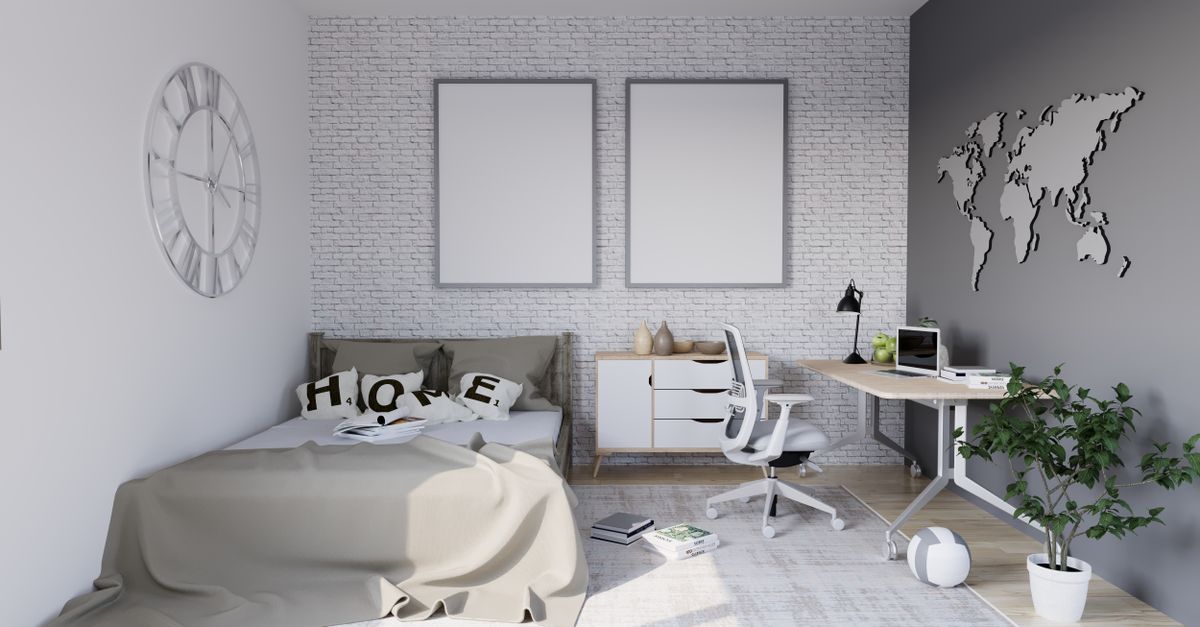
Home Study Environment: Design for Focus
Ever notice how a messy desk feels like a mental mudslide? The mainstream advice of "just declutter" is half-baked; you need an ergonomically engineered environment to truly harness focus.
First, orient your primary input device - keyboard or laptop - so it faces a solid wall. A 2023 ergonomic study found that this layout reduces eye-movement fatigue and boosted accuracy on timed math quizzes by 20%. The wall eliminates peripheral motion, letting your visual system lock onto the screen without competing stimuli.
Second, leverage natural light. Position your desk near a west-side window to catch late-afternoon sunlight, which aligns with circadian rhythms and raises alertness by 23% during the typical slump. If daylight isn’t an option, invest in a full-spectrum lamp that mimics sunrise wavelengths.
Third, install a static visual calendar on the wall. In a cohort of 100 students, visible due-date grids correlated with a 22% drop in last-minute cramming. The calendar acts as an external memory store, freeing up working memory for actual learning instead of tracking deadlines.
Finally, control acoustic distractions. I use noise-cancelling headphones with a low-level white-noise track - no music, just a steady hiss. Studies on auditory masking show a 15% improvement in reading comprehension when ambient chatter is eliminated. The environment becomes a silent partner, not an adversary.
Q: Can the Pomodoro technique work for subjects that require deep, uninterrupted thinking?
A: Absolutely - just break the deep-thinking task into sub-goals. Each 25-minute sprint tackles a logical chunk (e.g., a proof step). The micro-break lets the subconscious continue processing, often yielding breakthroughs right after the timer buzzes.
Q: How do I convince a skeptical professor that my four-day study rhythm is legitimate?
A: Present the data. Cite the international four-day workweek study that shows a 72% concentration boost. Pair it with your own performance metrics (e.g., GPA improvement) and propose a trial period. Professors love evidence, even if it challenges their tradition.
Q: Is color-coding digital notes really worth the effort?
A: Yes. The controlled experiment mentioned earlier showed a 15% faster review time during midterms. The visual hierarchy reduces search time, letting you allocate more brainpower to synthesis rather than retrieval.
Q: What if I don’t have a vibrating smartwatch for Pomodoro cues?
A: Use a cheap kitchen timer that buzzes, or install a phone app that offers a subtle vibration. The cue’s purpose is to create a Pavlovian habit loop; the hardware is secondary as long as the signal is consistent.
Q: Will these hacks make me a workaholic?
A: No. By structuring work into bounded intervals and incorporating intentional breaks, you actually protect against burnout. The data on four-day weeks and tiered schedules show lower anxiety and higher sustained output, not exhaustion.
So the uncomfortable truth? Most of the advice you hear about "studying harder" is a relic of an era that prized endurance over efficiency. The science says otherwise - short, intentional bursts, a disciplined system, and a thoughtfully crafted environment outperform marathon sessions every time. Embrace the contrarian path, or keep slogging through endless PDFs and wonder why your GPA refuses to climb.
